Skincare Routine Graphics for Brand Clarity
First Impressions Matter: A Designer’s Take on Skincare Routine Infographic Templates
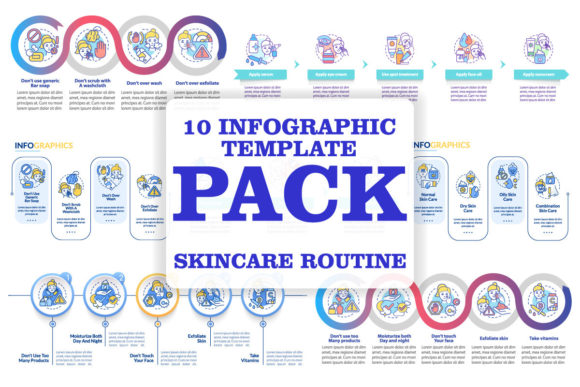
The first time I opened the Skincare Routine Infographic Templates, I was immediately drawn to its clean layout and modern aesthetic. The design feels fresh and approachable, making it ideal for brands aiming to communicate skincare routines in a clear and engaging way. With its emphasis on data visualization and workflow layout, the templates are designed to simplify complex processes into digestible visuals that resonate with both casual and professional audiences.
Visual Consistency and Audience Perception
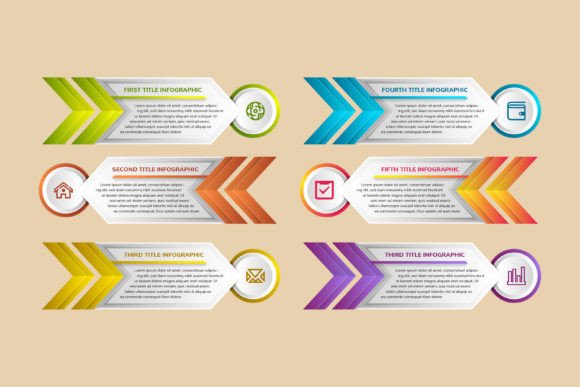
As a brand designer, one of my main concerns is how a design asset will fit into a broader visual identity. The Skincare Routine Infographic Templates offer a strong foundation for maintaining visual consistency across multiple platforms. The use of line icons and process timelines creates a sense of order and professionalism, which is crucial when building trust with an audience. These templates can be particularly effective for lifestyle content, wellness branding, or educational campaigns where clarity is key.
Emotionally, the design evokes a sense of calm and reliability—perfect for skincare brands looking to position themselves as trustworthy and knowledgeable. Whether used for social media graphics or packaging inserts, the tone remains consistent and aligned with the brand’s voice. This makes the Skincare Routine Infographic Templates a versatile asset for small business branding and content marketing strategies.
Marketing Applications: From Social Media to Packaging
The Skincare Routine Infographic Templates are not just limited to digital use. They can be adapted for a wide range of marketing materials, including social media graphics, Instagram posts, Pinterest pins, and even product labels. Their structured format allows for easy customization, making them ideal for content creators who need quick, high-quality visuals for daily use.
In a recent project, I used these templates to create a series of Instagram stories for a skincare startup launching a seasonal offer. The infographic-style visuals helped break down the product benefits in a way that felt both informative and visually appealing. The same templates could also be used for email banners, website headers, or even editorial layouts, offering a cohesive look across all touchpoints.
Supporting Marketing Goals with Visual Hierarchy
One of the strongest features of the Skincare Routine Infographic Templates is their ability to support stronger first impressions and clearer visual hierarchy. By organizing information into steps and timelines, the design ensures that the most important details stand out without overwhelming the viewer. This is especially valuable in digital ads and web design, where attention spans are short and competition is high.
For small business owners, this means the templates can help improve audience trust and recognition. When a brand consistently uses these visuals across different channels, it builds a recognizable brand identity that customers can easily associate with quality and expertise. This is essential for creating emotional connections and driving engagement.
Where the Asset Works Best
The Skincare Routine Infographic Templates excel in areas where visual storytelling is needed but the message doesn’t require excessive detail. They work best as hero graphics, campaign headers, and branded templates that can be easily integrated into a larger marketing strategy. For example, using these templates as social media covers or promotional banners can instantly elevate the visual appeal of a brand’s online presence.
They are also great for content bundles and printable promotions, offering a ready-to-use solution for designers who need quick access to high-quality assets. Whether it's for event flyers, posters, or merchandise, the versatility of these templates makes them a valuable addition to any creative marketplace toolkit.
Where to Use with Caution
While the Skincare Routine Infographic Templates are highly adaptable, there are certain contexts where they may not perform as well. In formal corporate branding, for instance, the more casual design might feel out of place. Similarly, dense information layouts or text-heavy ads could be overwhelmed by the template’s structure, potentially diluting the main message.
Additionally, the templates may not be suitable for low-contrast backgrounds or overly minimal brand styles. It’s important to test them in various environments, especially when using them on mobile screens or in small sizes. Ensuring readability and balance is crucial for maintaining a professional appearance across all platforms.
Practical Brand Designer Notes
Before using the Skincare Routine Infographic Templates in a real campaign, I recommend testing them with your brand color palette to ensure they align with your visual identity. Checking black and white usage is also essential to confirm that the design remains effective in monochrome settings.
Place the templates inside real campaign mockups to see how they integrate with other design elements. Previewing them on mobile screens and testing readability in small sizes will help identify any potential issues. Comparing the templates against competitor visuals can provide insight into how they stand out in the market.
When pairing the templates with fonts, consider how they interact with serif, sans serif, script, and display fonts. Review spacing and balance to maintain a clean and professional look. Lastly, always confirm the commercial license before using the asset in paid campaigns or client work to avoid any legal complications.
Conclusion: A Strong Design Asset for Content Creators
The Skincare Routine Infographic Templates are a powerful graphic design asset that offers a blend of creativity, functionality, and visual appeal. Whether you're a small business owner, content creator, or marketing professional, these templates can help streamline your workflow while maintaining a professional and consistent brand image.
With their focus on data visualization and workflow layout, they are ideal for supporting a wide range of marketing goals—from improving audience trust to enhancing brand recognition. By understanding where and how to use these templates effectively, you can unlock their full potential and create compelling visuals that drive engagement and growth.