Medical Infographic Template for Modern Branding
First Impressions and Brand Personality
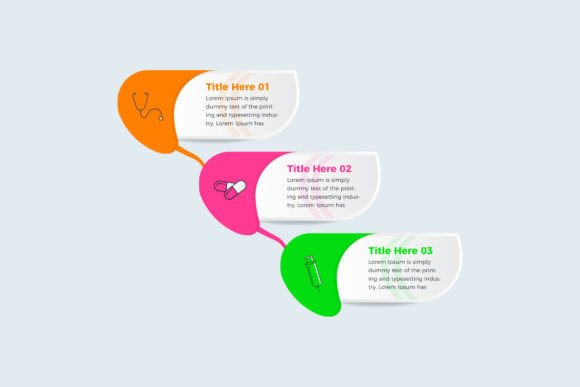
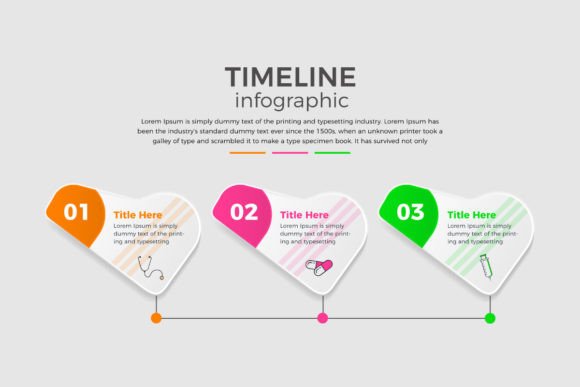
The Medical Infographic Template immediately feels clean, modern, and professional. Its use of healthcare icons and structured layout suggests a brand that values clarity and trust. It leans toward a contemporary aesthetic with a touch of professionalism, making it suitable for small businesses that want to convey expertise and reliability. This template could work well for health-focused local brands or businesses in the wellness industry.
Real-World Application in Local Business Design
This graphic design asset is versatile enough to be used across multiple areas of branding. For instance, when working on a skincare brand's packaging, the Medical Infographic Template can serve as an elegant accent on product labels or as part of a hero graphic on a website banner. It also lends itself well to social media graphics, where its clean lines and icons help communicate complex information quickly and effectively.
Consider a local boutique that sells handmade soaps and essential oils. The Medical Infographic Template could be used to create visually appealing product labels that highlight ingredients and benefits. It can also be adapted into printable inserts for customer brochures or digital content for Instagram stories. Its modular structure allows for easy customization, which is crucial when designing for different platforms and formats.
Supporting Brand Presentation and Customer Trust
Using the Medical Infographic Template helps establish a stronger first impression by delivering clear, consistent visuals that align with brand identity. Whether it’s a menu graphic for a coffee shop or a thank-you card for a florist, this asset enhances visual hierarchy and makes important information stand out. This clarity contributes to better product recognition and builds customer trust over time.
Additionally, the template supports more professional packaging through its ability to create polished, branded elements. A food label featuring this design would look more refined and trustworthy compared to generic stock images. The same goes for business cards or promotional flyers—each piece benefits from the template’s clean, modern feel.
Where It Works Best
- Product Labels: Ideal for highlighting key features or ingredients without overwhelming the text.
- Packaging Accents: Adds a decorative yet functional element to boxes or containers.
- Hero Graphics: Perfect for website banners or social media posts that require visual impact.
- Decorative Brand Elements: Can be used as background patterns or accents in editorial design projects.
- Seasonal Campaigns: Easily adaptable for holiday or special occasion visuals.
- Social Media Graphics: Supports engaging content with a consistent brand voice and style.
Where to Use Carefully
While the Medical Infographic Template is highly adaptable, it should be used with caution in certain contexts. For example, in formal corporate branding, its playful elements may not align with the expected tone. Similarly, on very small labels, the design might become too busy or difficult to read. It’s also best to avoid using it on crowded product packaging or in layouts that require detailed ingredient listings, where clarity is paramount.
Practical Designer Notes
As a brand designer, I recommend testing the Medical Infographic Template on real packaging mockups to ensure it works in context. Always check how it looks in black and white, especially if it will be printed on dark or colored backgrounds. Preview it on small labels to confirm readability at scale. Testing it with brand colors is also essential to maintain consistency across all marketing materials.
When using the template for client work, make sure to confirm the commercial license before finalizing any design. The included files—Illustrator CC, EPS 10, SVG, PNG, and Preview JPE—offer flexibility, but each format has its own use case. For example, SVG files are great for scalable vector graphics, while PNG files are ideal for print and web use with transparency.
It’s also worth comparing the Medical Infographic Template with competitor packaging to ensure your designs remain competitive and unique. Additionally, test the design alongside different font styles—serif, sans serif, script, and display—to see how it interacts with various typographic choices. This ensures the template remains versatile and effective across different design scenarios.
Conclusion
The Medical Infographic Template is a valuable graphic design asset for small business branding, especially for those looking to create modern, professional visuals. Its clean structure, healthcare icons, and flexible formats make it ideal for product labels, packaging design, and promotional materials. By carefully considering its use cases and testing it in real-world scenarios, designers can leverage this asset to enhance brand identity, improve customer trust, and deliver more polished marketing visuals.